
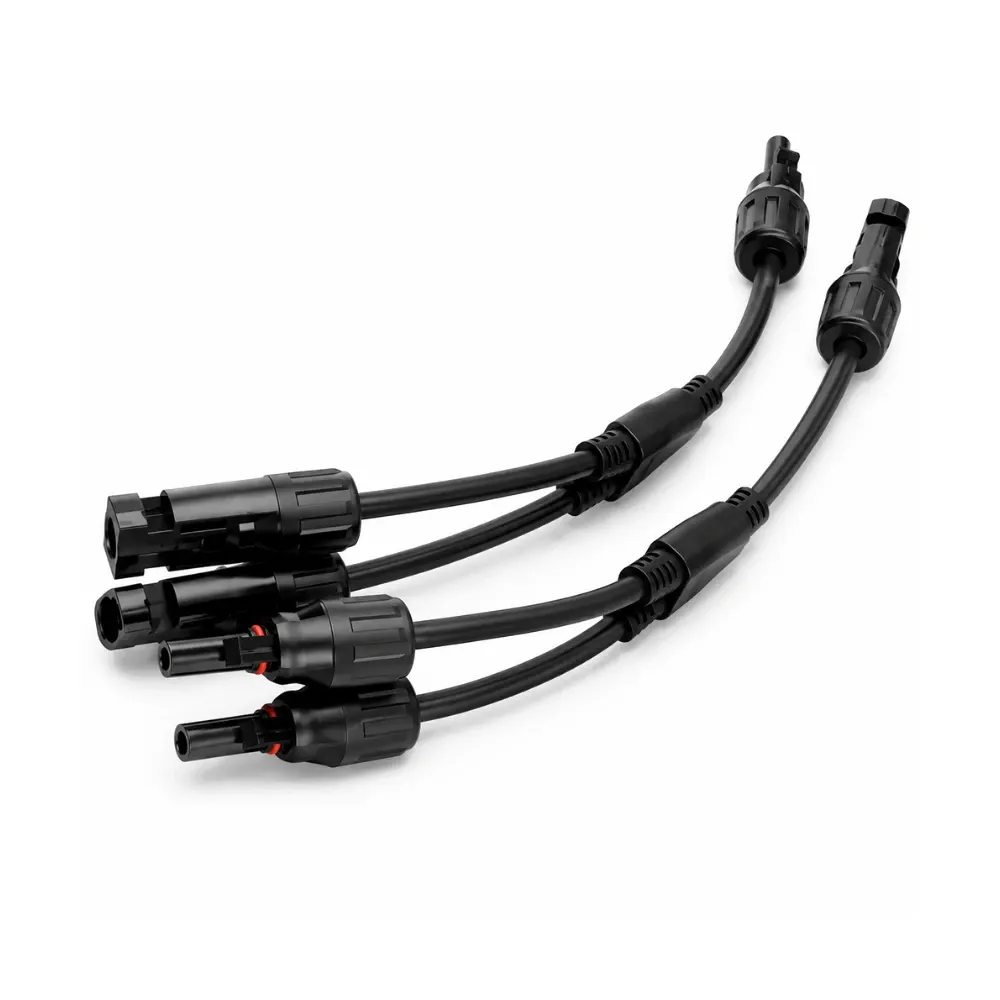
Connectors are the cheapest component on a PV project and the one most often blamed when an infrared survey flags a hot string. Most field failures trace back to four causes.
Contact resistance and overheating
A connector is only as good as its crimp. Under-crimped conductors raise contact resistance; over-crimped ones damage strands. Both show up years later as a hot spot under load — and thermal cycling makes it worse each season.
Mixing connector brands
Connectors from different manufacturers may physically mate, but the housing dimensions, seal compression and latch tolerances are not guaranteed. Mismatched pairs are a known ignition-path risk and void most warranties — specify one system and stick to it.
Water ingress and IP claims
An IP68 rating describes a bench test with clean water at a fixed depth. Real installations add UV, dust, thermal shock and vibration. Ask what the rating was tested at, and whether the seal survives repeated mating on site.
Installation habits that matter
- Use the maker’s dedicated crimping tool for the exact contact size
- Strip to the specified length — no visible bare conductor at the seal
- Audible latch confirmation, then a gentle pull test
- Never leave mated connectors dangling under cable weight
Cable sizing and voltage drop
Extension cables are sized for current-carrying capacity, but on long runs voltage drop decides the real answer. A run that is thermally fine can still quietly cost the string a percentage of its harvest — calculate both before ordering the cheaper cross-section.
Questions for your supplier
Before a large connector order, ask for the rated current at your mounting ambient, the wire range of each contact, the number of guaranteed mating cycles, and which standards the type tests were run to. The quality of those answers predicts the quality of the shipment.